Tools of The Trade
“Give me six hours to chop down a tree
and I will spend the first four sharpening the axe”
— Abraham Lincoln
Here are the tools I use to test new ideas, track, validate and automate options trading.
Disclaimer: Some of the links below are affiliate links. This doesn’t affect you in any way - you’re free to remove my referral from the URL or sign up by searching for the services directly.
That said, I’d truly appreciate it if you choose to use my links. It helps support the blog and allows me to keep adding more content and tools in the future. Thank you!
Broker of choice
As a non-US resident, I wanted to find a broker that strikes the right balance between solid service, reliable execution, and reasonable fees. I’ve had the opportunity to test several brokers - Interactive Brokers, Tradier, and Tastytrade - and while each has its own strengths and weaknesses, I’m currently very satisfied with Charles Schwab.
Their fees aren’t the cheapest, but they’re far from the most expensive, and the quality of support has been excellent. Whenever I’ve needed assistance, their team has been quick, professional, and genuinely helpful.
Also, while I haven’t had the chance to run the numbers myself, research shared by others (thanks, Tammy Chambless) suggests their average trade slippage is among the lowest, largely because stops are typically held at the exchange. This is crucial for high-frequency traders like myself - especially in 0DTE strategies - where friction costs can easily be the difference between positive and negative expectancy.
See Tammy's comparison: https://youtu.be/NvxYunqQHXU?t=8152


Backtesting
Doing what I do today without a backtester would be like taking shots in the dark - you might succeed occasionally, but you’d never know why.
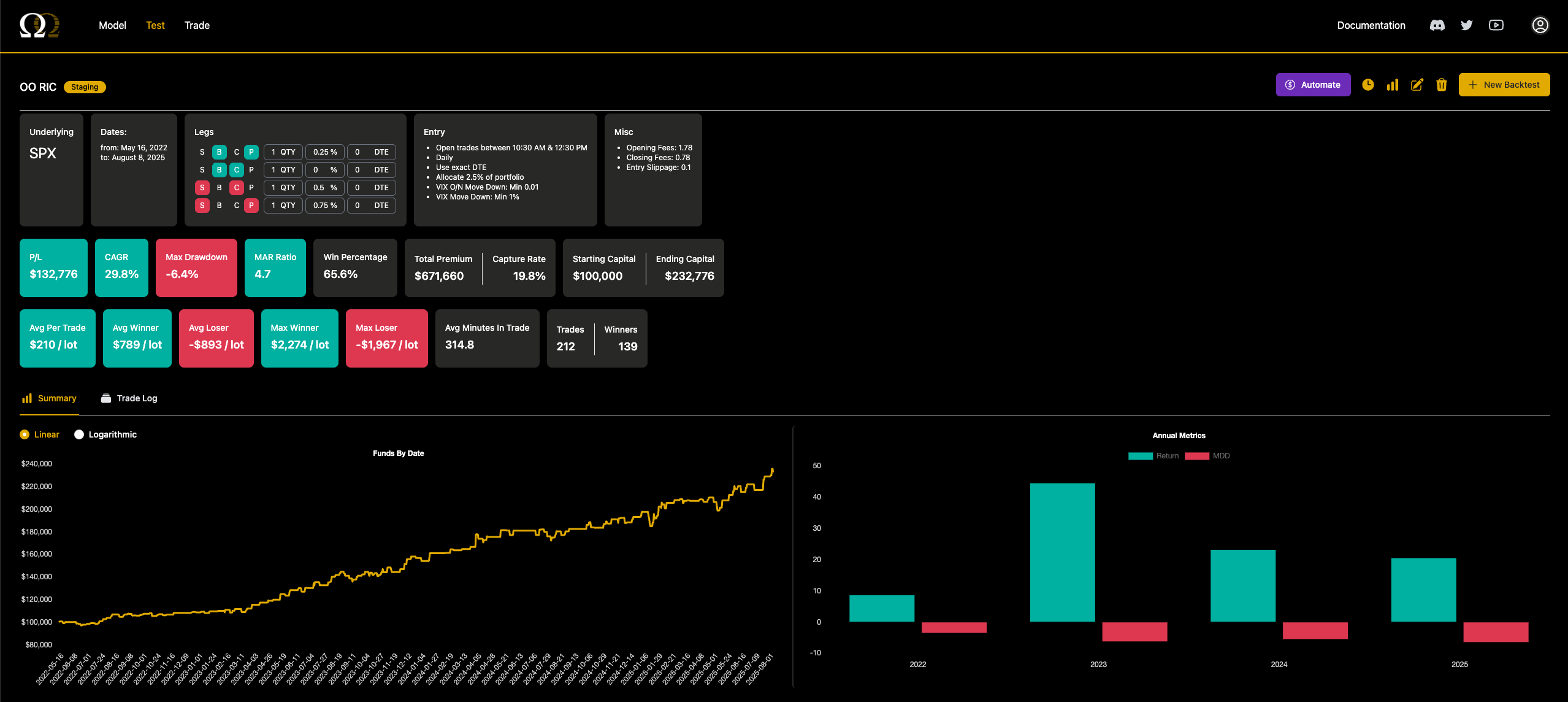
Running backtests on individual strategies and full portfolios is my bread and butter. It’s the first filter I use to decide whether an idea is even worth pursuing.
In my opinion, Option Omega is among the best backtesting tools available for retail options traders. It supports intraminute data for SPX trading and offers a wide range of features for trade structuring, entries, and exits. Quite simply, I wouldn’t be able to do what I do without it.

Modeling
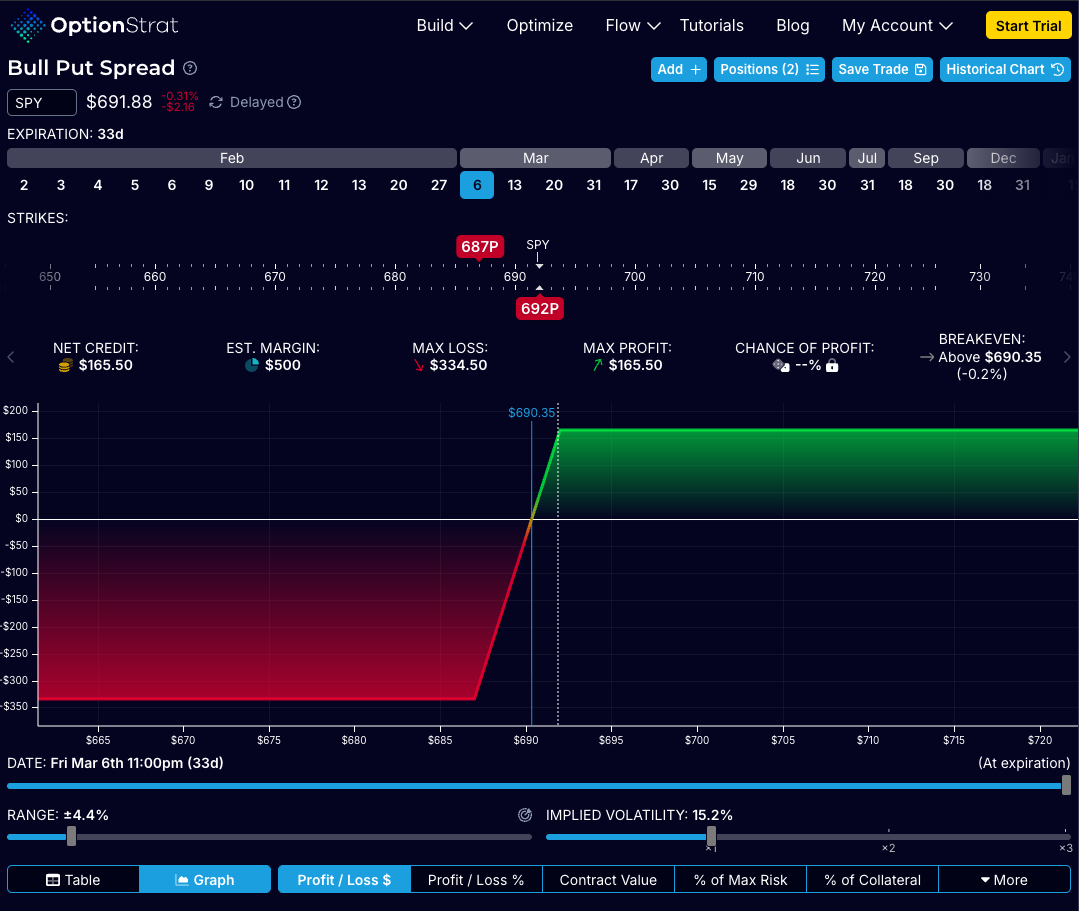
Understanding options pricing, Greeks, risk profiles, and trade structures is messy and complex — especially when you’re just starting out. OptionStrat was, and still is, one of the best tools for modeling different option structures and seeing how they react to changing market conditions through clear, intuitive visuals.
 - Kevin C
Automation
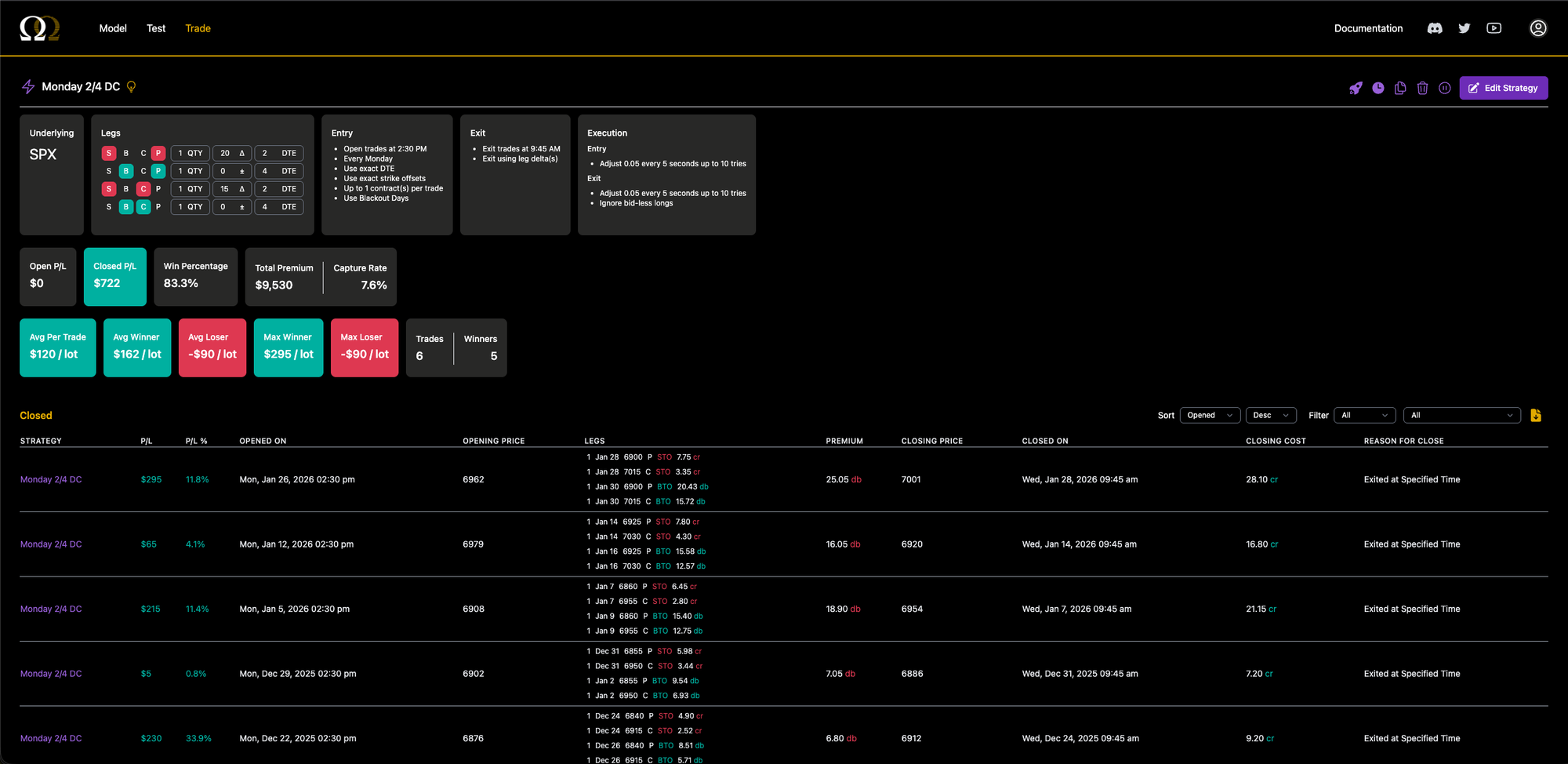
Around the time I moved to automating my trades with Trade Automation Toolbox (TAT), Option Omega were running a beta version of their own automation platform.
TAT is well respected and generally does a solid job, but it’s also a bit cumbersome - relying on a Windows host and lacking a SaaS model adds friction. Moving my automation to Option Omega, however, was a real game changer.
I no longer had to “translate” strategy logic between platforms - backtesting in one place and automating in another. Creating automations directly from backtests became a one-click process, eliminating an entire layer of work and potential error.
The biggest advantage, in my opinion, is that the same developers who built the backtesting logic also built the automation logic. That alignment dramatically improves execution accuracy and makes live behavior far closer to what the backtest actually models.

Validation and Tracking
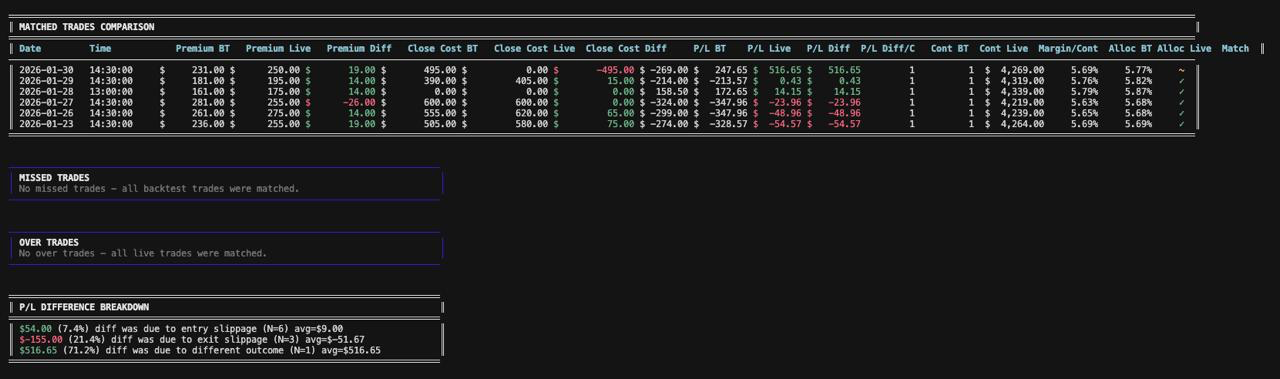
While some tracking can be done within the automation platforms themselves, I found the existing features quite limiting. I want to continuously monitor not just performance, but how it compares to the backtest in terms of execution quality, as well as whether out-of-sample behavior aligns with expectations derived from the in-sample results - to make sure I’m actually on track.
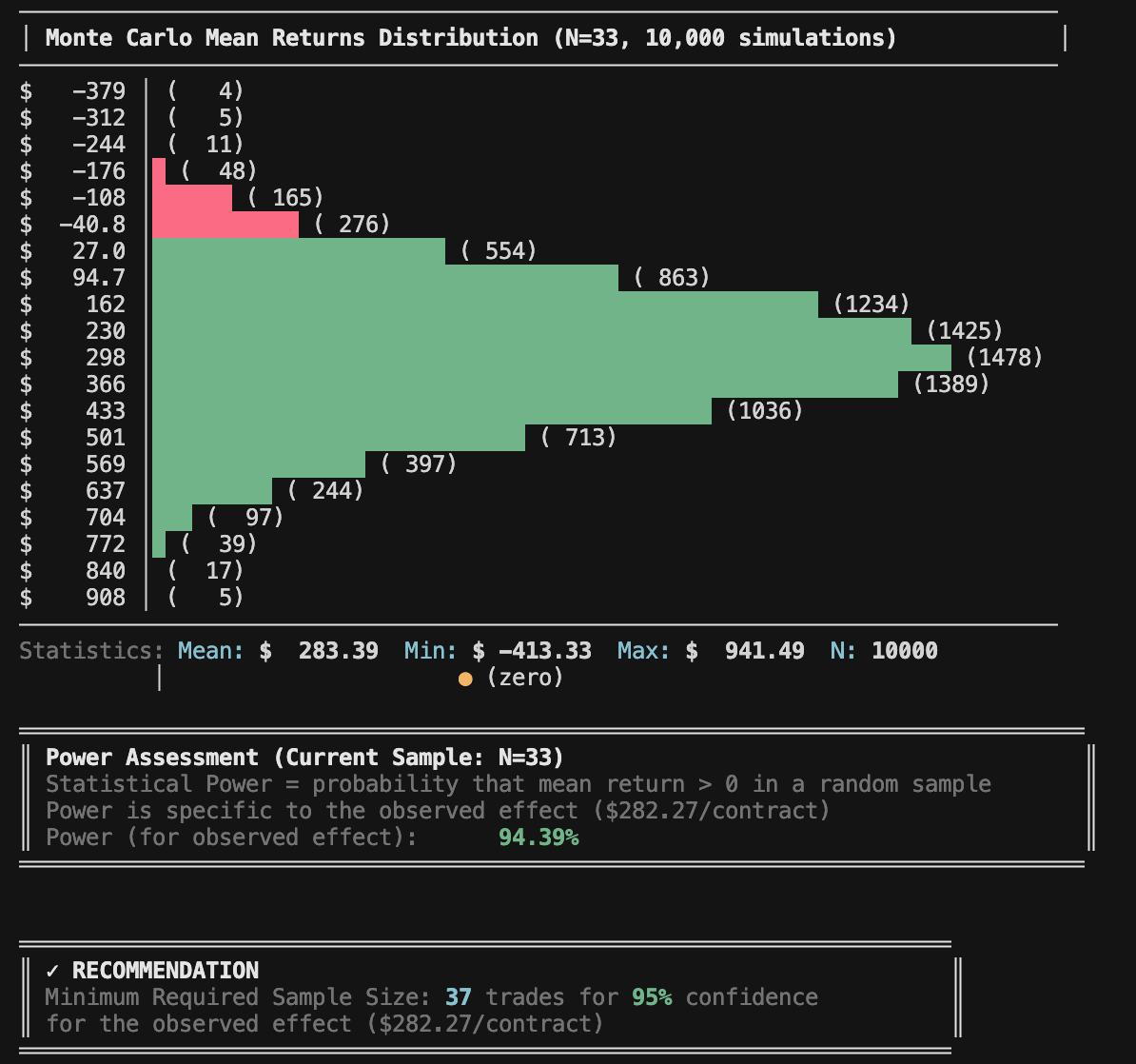
That’s why I’m currently building my own platform to do exactly that. Before going live, it helps verify that an edge exists, the sample size is sufficient, and the risk of overfitting is reasonable. After going live, it tracks real results, runs ongoing sanity checks, and compares performance against fresh backtest runs.
While this is still a work in progress, here’s my open-source toolset for the tests I run. You’re more than welcome to use it, ask questions, or suggest improvements. I’ve also opened a dedicated channel for it on my Discord server here.
 0kcoffee